
Admin User
 Emotional Well being, Mental Health
 0 comment
 25 May, 2026
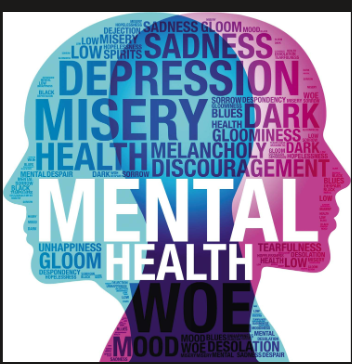
In today’s fast-moving and highly competitive world, emotional wellbeing has become more important than ever before. While society often focuses on physical health, academic achievement, and professional success, emotional health is equally essential for leading a balanced, productive, and meaningful life.
Rapid technological changes, social pressures, academic stress, financial uncertainty, family responsibilities, and the increasing pace of life have significantly affected the emotional health of people across all age groups. Students, working professionals, parents, and even senior citizens are facing emotional challenges that impact their mental peace, relationships, productivity, and overall quality of life.
Emotional wellbeing is no longer a luxury — it is a necessity.
Emotional wellbeing refers to the ability to understand, manage, and express emotions in a healthy and positive way. It includes:
Self-awareness
Emotional balance
Stress management
Positive relationships
Confidence and resilience
Ability to cope with challenges
A person with good emotional wellbeing can handle life’s difficulties more effectively and maintain healthy relationships with others.
Modern lifestyles have created constant pressure related to:
Education and examinations
Career competition
Financial stability
Social media expectations
Family responsibilities
Continuous stress without emotional support can lead to anxiety, depression, burnout, and other mental health concerns.
Technology and social media have connected people globally, but they have also increased:
Comparison culture
Loneliness
Screen addiction
Cyberbullying
Emotional isolation
People are more digitally connected yet emotionally disconnected.
Poor emotional wellbeing can negatively affect physical health and may contribute to:
Sleep disorders
High blood pressure
Fatigue
Weak immunity
Lifestyle diseases
A healthy mind supports a healthy body.
Students today face immense pressure regarding:
Academic performance
Career choices
Peer acceptance
Social expectations
Without emotional support, many young individuals struggle with low confidence, fear, stress, and emotional instability.
Schools and colleges must focus not only on marks but also on emotional development and mental wellness.
Emotionally healthy individuals communicate better, resolve conflicts peacefully, and build stronger personal and professional relationships.
Emotional wellbeing promotes:
Empathy
Compassion
Respect
Cooperation
Positive social behavior
This contributes to healthier families and communities.
Understanding emotions and identifying stress triggers help individuals respond positively to situations.
Talking with trusted family members, friends, mentors, or counsellors can reduce emotional burden.
Limiting excessive screen time and engaging in real-world activities improves emotional stability.
Regular exercise, proper sleep, healthy eating, and relaxation techniques improve emotional health significantly.
Practices such as meditation, yoga, and mindfulness help reduce stress and improve mental clarity.
Counselling and mental health support should be normalized and encouraged whenever needed.
Schools and colleges play a major role in nurturing emotional wellbeing among students through:
Counselling support
Life skills education
Mental wellness sessions
Safe and supportive environments
Emotional intelligence training
Education should focus on building emotionally strong individuals, not just academically successful students.
Families and communities must create an environment where emotions can be openly discussed without fear or stigma.
Encouraging empathy, listening without judgment, and supporting emotional expression are essential for emotional wellbeing.
In the future, emotional intelligence and mental resilience will become as important as technical skills and academic knowledge. Organizations, institutions, and governments are increasingly recognizing the importance of emotional wellness in building healthy societies and productive workforces.
A society that prioritizes emotional wellbeing becomes:
More compassionate
More productive
More innovative
More peaceful
Emotional wellbeing is truly the need of the time. In a world filled with pressure, uncertainty, and rapid change, emotional strength helps individuals remain balanced, confident, and hopeful.
Taking care of emotional health is not a sign of weakness; it is a sign of awareness and responsibility toward oneself and society. By promoting emotional wellbeing in homes, schools, workplaces, and communities, we can build healthier individuals and a stronger, happier society for the future.


Admin User
0 comment