
Admin User
 Sustainable Tourism for a Better Future
 0 comment
 25 May, 2026
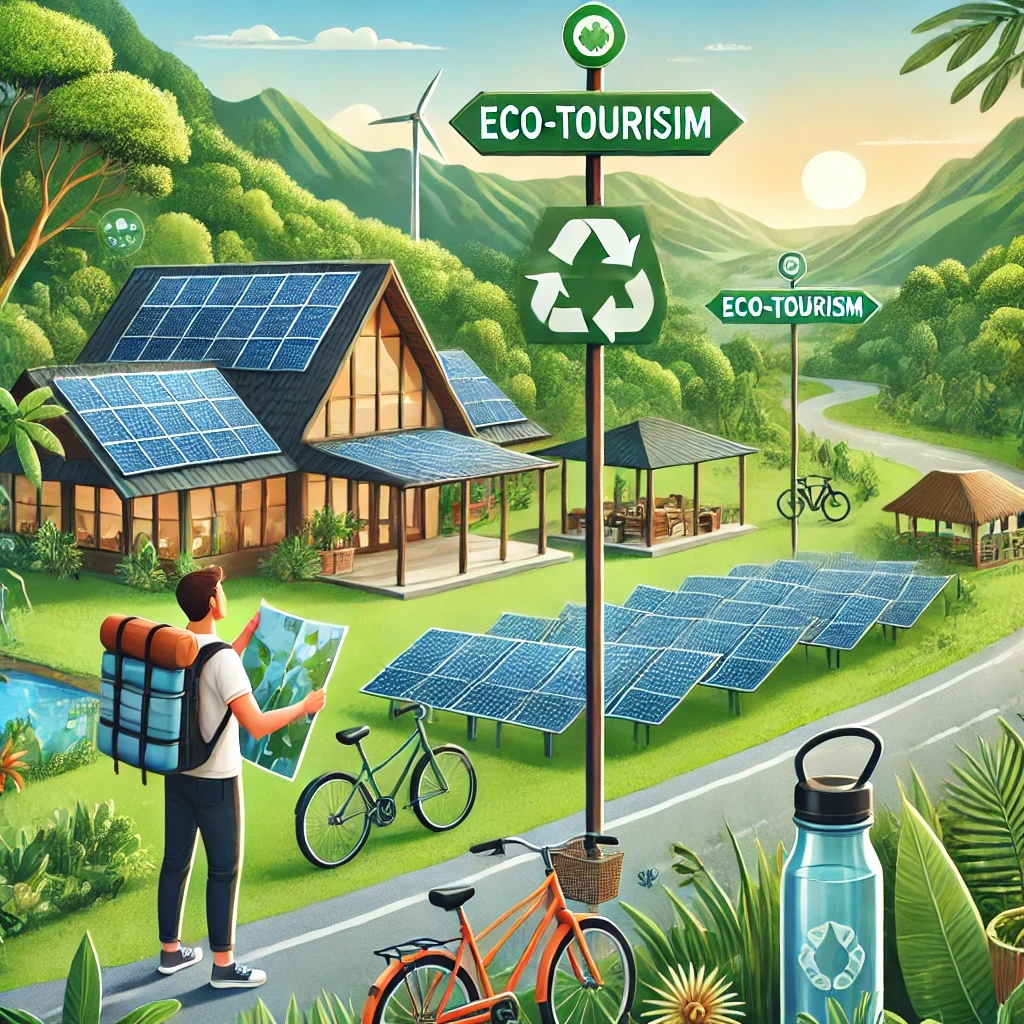
Tourism is one of the world’s fastest-growing industries and plays a significant role in economic development, employment generation, cultural exchange, and community growth. However, uncontrolled tourism can also create environmental damage, cultural imbalance, pollution, and pressure on natural resources.
In recent years, the concept of sustainable tourism has gained global importance as societies recognize the need to balance tourism growth with environmental protection, cultural preservation, and social responsibility.
Sustainable tourism is not just about traveling responsibly — it is about creating a tourism ecosystem that benefits present and future generations.
Sustainable tourism refers to tourism practices that minimize negative impacts on the environment, culture, and local communities while maximizing economic and social benefits.
It focuses on:
Environmental conservation
Protection of cultural heritage
Responsible use of resources
Support for local communities
Long-term tourism development
The goal of sustainable tourism is to ensure that tourism remains beneficial, ethical, and environmentally friendly.
Tourism activities can affect:
Forests
Water resources
Wildlife
Beaches
Mountains and natural habitats
Sustainable tourism encourages:
Waste reduction
Pollution control
Water conservation
Eco-friendly transportation
Protection of biodiversity
This helps preserve natural beauty for future generations.
Tourism often introduces visitors to local traditions, art, food, language, and heritage. Sustainable tourism helps protect:
Historical monuments
Traditional lifestyles
Local crafts and culture
Indigenous knowledge
It encourages respect for local communities and cultural identity.
Sustainable tourism supports local economies by generating employment and business opportunities for:
Local guides
Artisans
Farmers
Small businesses
Homestays and hospitality services
This creates inclusive economic development and rural empowerment.
Tourism destinations often face pressure on:
Water supply
Energy consumption
Waste management
Transportation systems
Sustainable tourism promotes efficient and responsible resource utilization to reduce environmental stress.
Local communities should actively participate in tourism development. Sustainable tourism encourages:
Community involvement
Skill development
Entrepreneurship opportunities
Local ownership of tourism initiatives
This improves social and economic wellbeing in tourism regions.
Technology is helping make tourism smarter and more sustainable through:
Digital ticketing and paperless systems
Smart energy management
Eco-friendly transport solutions
AI-based tourism planning
Virtual tourism awareness
Online promotion of local tourism
Digital platforms also help tourists make informed and environmentally conscious travel decisions.
Eco-tourism is a major part of sustainable tourism and focuses on nature-based travel with minimal environmental impact.
Eco-tourism promotes:
Wildlife conservation
Nature awareness
Environmental education
Responsible travel practices
It encourages travelers to appreciate and protect natural ecosystems.
Despite its benefits, sustainable tourism faces several challenges:
Overcrowding at tourist destinations
Pollution and waste management issues
Commercialization of culture
Lack of awareness
Climate change impacts
Poor infrastructure planning
Strong policies, awareness campaigns, and responsible tourism practices are necessary to address these challenges.
Governments, tourism departments, businesses, and travelers all have a responsibility in promoting sustainable tourism through:
Environmental regulations
Green tourism policies
Community-based tourism programs
Sustainable infrastructure development
Awareness and education campaigns
Tourists themselves must travel responsibly by respecting local culture, reducing waste, and supporting local businesses.
In India, sustainable tourism has great potential due to the country’s rich:
Cultural diversity
Historical heritage
Natural landscapes
Rural tourism opportunities
Spiritual tourism destinations
Promoting eco-tourism, agri-tourism, and rural tourism can help generate employment while protecting the environment and local traditions.
The future of tourism will depend on balancing growth with sustainability. Modern travelers are increasingly choosing:
Eco-friendly travel
Responsible accommodations
Nature-based tourism
Cultural experiences
Sustainable destinations
Tourism industries that prioritize sustainability will remain more resilient and attractive in the long term.
Sustainable tourism is essential for protecting the environment, preserving cultural heritage, and supporting local communities while promoting economic development.
Responsible tourism practices ensure that future generations can continue to enjoy the beauty, culture, and diversity of travel destinations around the world.
By adopting sustainable tourism principles, societies can create a tourism model that is environmentally responsible, socially inclusive, and economically beneficial for all.


Admin User
0 comment