
Admin User
 Transforming Farming Through Technology
 0 comment
 25 May, 2026
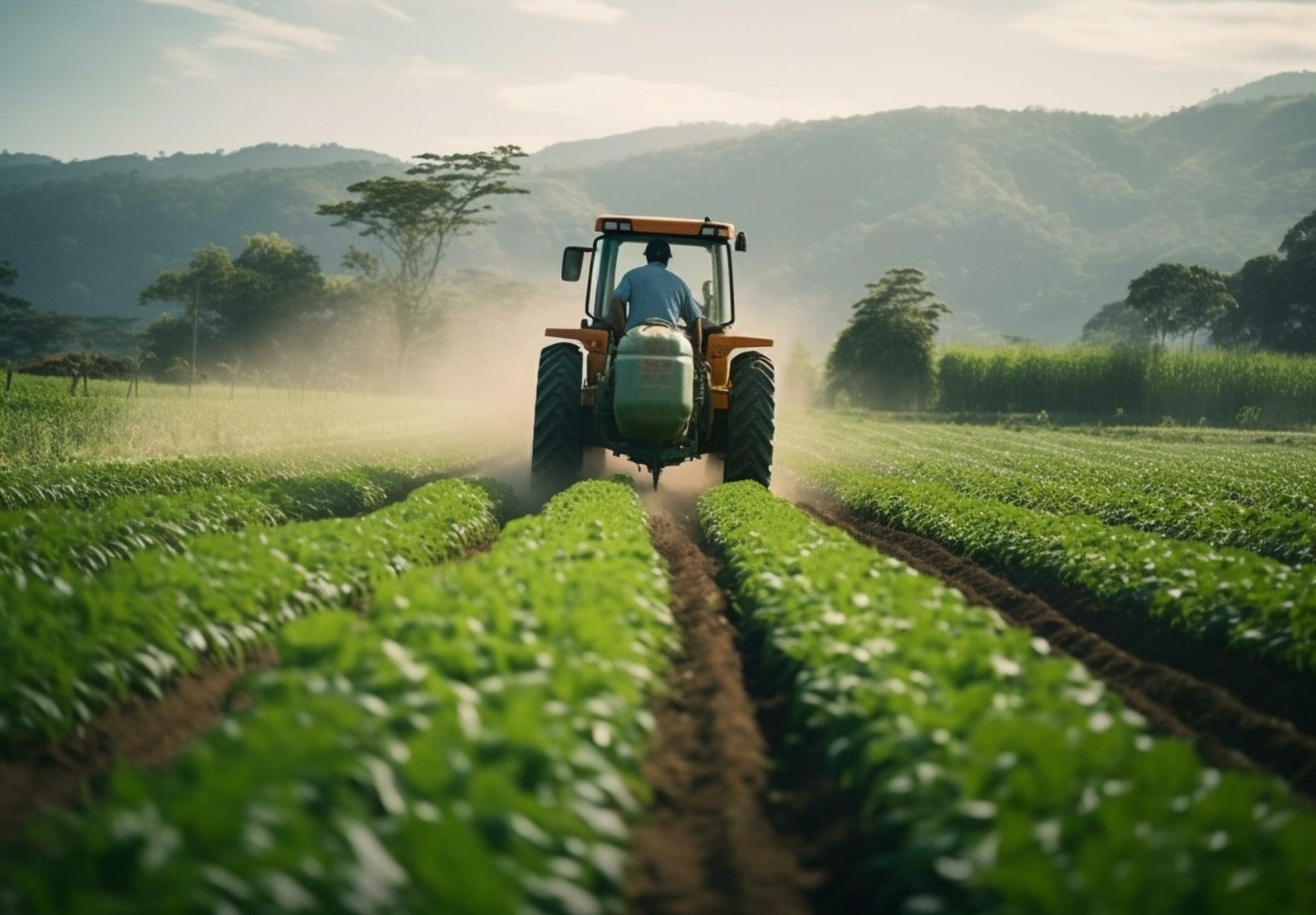
Agriculture has always been the backbone of human civilization and one of the most important sectors for economic and social development. In a country like India, where millions of people depend on farming for their livelihood, agriculture plays a vital role in food security, employment, and rural development.
However, traditional farming methods alone are no longer sufficient to meet the growing demands of increasing population, climate change, water scarcity, and market competition. Modern agriculture, powered by technology and innovation, is transforming the farming sector and helping farmers improve productivity, efficiency, and sustainability.
Today, agriculture is moving from traditional practices toward smart, data-driven, and technology-enabled farming systems.
Modern agriculture refers to the use of advanced technologies, scientific methods, and innovative farming practices to improve agricultural productivity and sustainability.
It includes:
Smart irrigation systems
Mechanized farming
Precision agriculture
Artificial Intelligence (AI)
Drones and sensors
Digital marketplaces
Soil and weather monitoring
Organic and sustainable practices
Modern agriculture focuses not only on increasing production but also on improving the quality of crops, reducing wastage, conserving resources, and enhancing farmers’ income.
With growing population and limited agricultural land, increasing productivity has become essential. Modern technologies help farmers:
Monitor crop health
Improve soil management
Use fertilizers efficiently
Increase crop yield
Advanced farming equipment and automation reduce manual labor and improve efficiency.
Water scarcity is one of the biggest challenges in agriculture. Modern irrigation methods such as:
Drip irrigation
Sprinkler systems
Sensor-based irrigation
help reduce water wastage and improve water efficiency.
Smart irrigation systems provide water only when required, conserving valuable natural resources.
AI and digital technologies are revolutionizing agriculture by providing:
Weather forecasting
Pest detection
Crop monitoring
Yield prediction
Disease identification
Farmers can make better decisions using real-time data and analytics.
Drones are increasingly used for:
Crop surveillance
Spraying fertilizers and pesticides
Land mapping
Monitoring farm conditions
Internet of Things (IoT) devices help farmers track soil moisture, temperature, humidity, and crop health through mobile applications.
Modern equipment and scientific farming techniques help reduce:
Labor costs
Water consumption
Fertilizer wastage
Crop losses
This improves profitability and financial stability for farmers.
Modern agriculture also emphasizes environmental sustainability through:
Organic farming
Soil conservation
Renewable energy use
Reduced chemical dependency
Climate-smart farming practices
Sustainable farming helps protect natural resources for future generations.
Digital platforms are helping farmers access:
Market prices
Government schemes
Agricultural training
Weather updates
Online marketplaces
Mobile apps and digital services are empowering rural farmers with knowledge and market connectivity.
Despite technological advancements, several challenges remain:
Lack of awareness among farmers
High initial investment costs
Limited digital literacy
Poor rural infrastructure
Climate uncertainties
Small land holdings
Training, financial support, and policy implementation are necessary to ensure wider adoption of modern agricultural practices.
Governments, educational institutions, agri-startups, and NGOs play an important role in promoting modern agriculture through:
Farmer training programs
Subsidies for technology adoption
Research and innovation
Digital agriculture initiatives
Rural entrepreneurship support
Collaborative efforts can strengthen the agricultural ecosystem.
Modern agriculture has created new career opportunities for youth in areas such as:
Agri-tech startups
Food processing
Agricultural consulting
Smart farming solutions
Organic farming businesses
Digital agri-services
Agriculture is no longer limited to traditional farming; it has become a sector driven by innovation and entrepreneurship.
The future of agriculture will depend heavily on:
Artificial Intelligence
Robotics
Automation
Climate-resilient farming
Precision agriculture
Digital ecosystems
Technology-driven agriculture can help achieve food security, environmental sustainability, and economic growth.
Modern agriculture is transforming farming from a labor-intensive activity into a smart and technology-enabled sector. By integrating innovation, sustainability, and digital solutions, agriculture can become more productive, profitable, and resilient.
Empowering farmers with modern tools, education, and digital access is essential for building a stronger rural economy and ensuring food security for the future.
The future of agriculture lies in combining traditional wisdom with modern technology to create a sustainable and prosperous farming ecosystem.


Admin User
0 comment